
Clean racing is the single most valuable skill in online sim racing, and almost nobody teaches it. We obsess over braking points and apex speed and FFB settings, and then we throw it all away by divebombing into turn one and collecting three cars. After years of league and rated racing, I’ll tell you flatly: the drivers who climb the ranks aren’t the fastest ones. They’re the ones who finish, race after race, because they understand the unwritten code that keeps wheel-to-wheel racing safe. This is that code.
If you’re new to organised racing, start with the sim racing leagues beginner guide for the bigger picture, and the guide to joining an iRacing league for the practical steps. This article is the etiquette layer that sits on top of all of it — the behaviour that gets you invited back instead of quietly dropped.
The one rule that contains all the others
If you remember nothing else: it is always better to lose a position than to cause a crash. Every other rule of clean racing is a corollary of that one. When you’re unsure whether a gap is there, assume it isn’t and lift. When two cars are fighting for the same piece of track, the one who yields keeps both cars on the road. A position lost can be won back next lap; a wrecked race is gone forever, and so is the goodwill of the person you took out.
This isn’t about being timid. The best clean racers are extremely aggressive — but only when the move is actually there. The skill is in reading the difference between a real overtaking opportunity and a hopeful lunge, and that judgement is exactly what separates a driver communities want on their grid from one they don’t.
Leave a car’s width — always
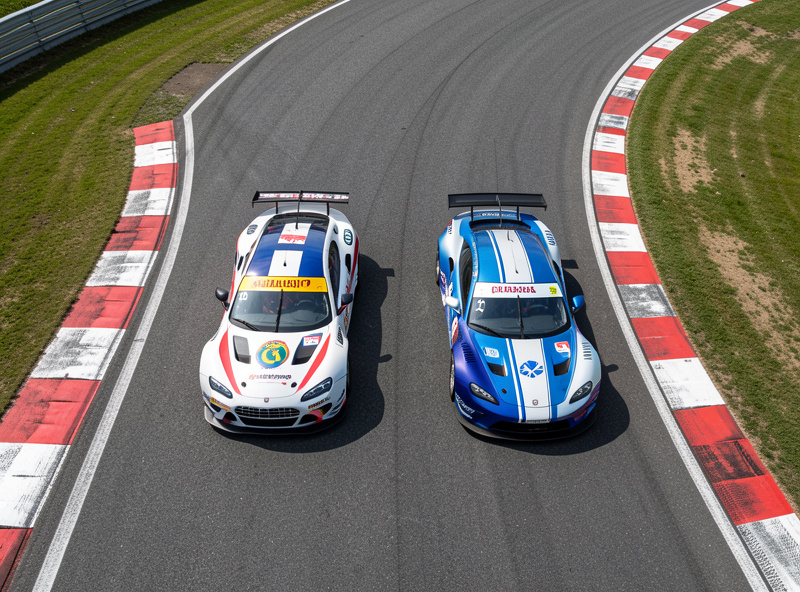
The foundational rule of wheel-to-wheel racing: when another car has its nose alongside you, you owe them racing room — at least a car’s width — all the way through the corner. You don’t get to squeeze them into the wall or the grass because you “got there first.” If they’ve established an overlap before the corner, the space is theirs as much as yours.
This cuts both ways. If you’re the one trying to go around the outside and you don’t have a real overlap, you’re not entitled to that room — back out. The overlap is what creates the obligation. Learning to feel where that line is, in real time, at speed, is the core of racecraft. When in doubt, give more room than you think you need. Nobody has ever been dropped from a league for being too generous with space.
The braking zone is where races die
Turn one of lap one, and every heavy braking zone after it, is where the vast majority of avoidable contact happens. The divebomb — braking impossibly late up the inside, locking up, and sailing into the corner with no hope of making it — is the cardinal sin of online racing. You might occasionally make the corner. More often you understeer wide and take out the car you “passed,” and now you’ve ruined two races and earned a penalty.
The fix is discipline: brake at a point you can actually make the corner from, even when you’re attacking. A clean, completed pass that sticks is worth infinitely more than a heroic lunge that ends in the gravel. And on lap one specifically, dial it back further than feels natural — the field is bunched, everyone’s cold, and patience there saves more races than aggression ever wins.
Be predictable
Erratic driving causes crashes even when nobody’s being aggressive. Hold your line. Don’t weave on the straights to break a tow. Don’t brake-check. Don’t make sudden defensive moves in the braking zone — one defensive move is acceptable, jinking back and forth is not, and it’s how you cause a rear-end collision that’s technically the other driver’s fault but morally yours. The driver behind is reading your car and trusting it to behave logically. Reward that trust.
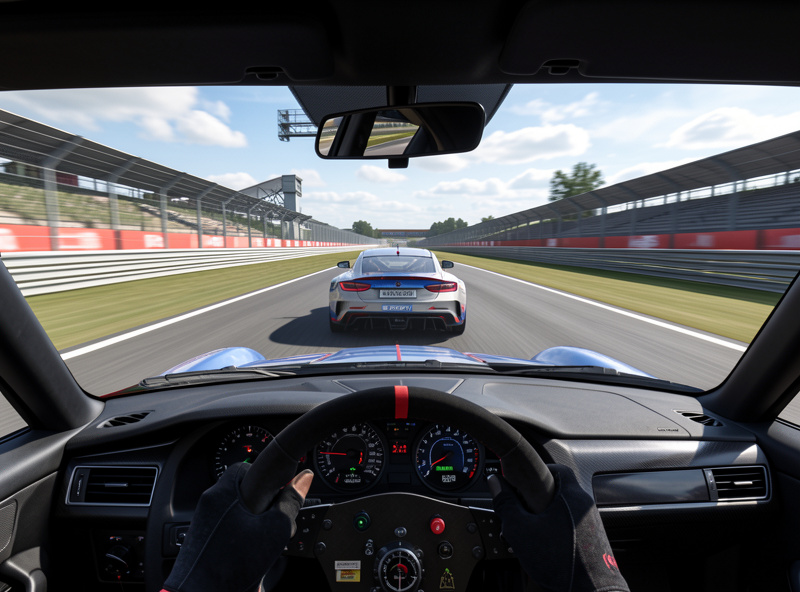
The same goes for closing speed. If you’re much faster, plan your pass and execute it cleanly rather than diving the moment you catch someone. If you’re much slower — say you’re on old tyres or off the pace — check your mirrors and let faster traffic by without a fight. Blocking a car that’s a clear second a lap quicker isn’t defending; it’s just creating a dangerous situation for no reason.
Clean racing situations at a glance
Here’s how I think through the common flashpoints. The principle is always the same — minimise the chance of contact — but the right move depends on where the cars are.
| Situation | The clean move | The mistake to avoid |
|---|---|---|
| Lap-one turn one | Brake early, hold your line, survive | Sending it into a bunched, cold field |
| Someone’s nose alongside you | Leave a car’s width through the corner | Squeezing them into the wall or grass |
| You’re attacking on the inside | Brake at a point you can make the corner from | Divebombing and washing wide into them |
| A faster car catches you | Hold your line, let them by cleanly | Blocking, weaving, brake-checking |
| You made a mistake / off-track | Rejoin slowly, check mirrors, yield | Rejoining at speed across the racing line |
| You caused contact | Apologise, let them repass if fair | Driving off and arguing it later |
Rejoining the track safely
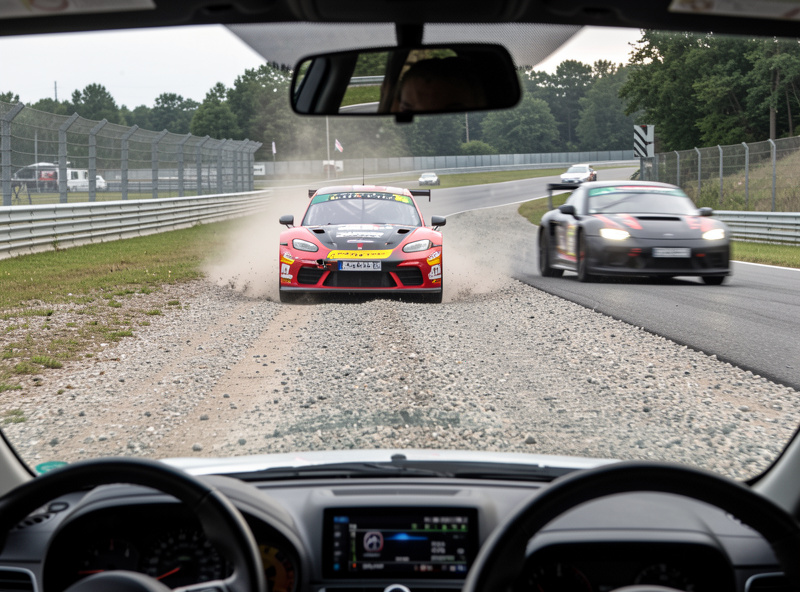
One of the most dangerous and most overlooked moments: rejoining after a spin or an off. You’ve made a mistake, you’re flustered, and your instinct is to floor it and recover the lost time. Don’t. A car rejoining at speed across the racing line is a missile pointed at the field, and the resulting crash is squarely your fault. Rejoin slowly, check your mirrors, and wait for a gap. Losing two more seconds to rejoin safely is nothing compared to triggering a multi-car pileup because you couldn’t wait.
When you cause contact: own it instantly
You will make mistakes. Everyone does — even the aliens have off days. What separates a respected driver from a pariah is what happens next. If you cause contact, own it immediately. A quick “sorry, my bad” in chat or on the Discord voice channel defuses almost everything. If you punted someone and the situation allows, let them repass to give back the position you stole — it’s the strongest possible signal that you race clean and respect the people around you.
What you must never do is drive off, pretend it didn’t happen, and then argue about it in the steward review later. Replays don’t lie, and stewards see everything from every angle. Getting caught spinning a story after the fact does far more damage to your reputation than the original contact. Honesty isn’t just ethics here; it’s the smart play.
Communication and the role of voice comms
In leagues and team events, a lot of clean racing comes down to communication. A simple “inside!” or “I’m here” on voice comms prevents contact that no amount of mirror-checking would. Use it. Call your moves, acknowledge when someone’s alongside, and keep the tone calm even when a race gets heated. The drivers everyone wants to race with are the ones who are clear, calm, and generous on comms — not the ones screaming after every incident.
The payoff: why clean racing makes the hobby
Here’s the thing that took me too long to understand. Clean racing isn’t a constraint on fun — it is the fun. The most thrilling races I’ve ever had were three-wide battles where every driver trusted every other driver to leave room, lap after lap, with nobody touching. That only happens when everyone commits to the code. The moment one person abandons it, the whole thing collapses into a wreck-fest, and nobody enjoys that. Clean racing is the social contract that makes close racing possible. Honour it, and the hobby gives back tenfold.
Frequently asked questions
What does “clean racing” actually mean in sim racing?
Clean racing means racing wheel-to-wheel without causing avoidable contact: leaving racing room, braking where you can make the corner, being predictable, and rejoining safely. The guiding principle is that it’s always better to lose a position than to cause a crash.
What is a divebomb and why is it bad?
A divebomb is braking impossibly late up the inside with no realistic chance of making the corner. It’s bad because you usually run wide and take out the car you tried to pass, ruining two races and earning a penalty. A clean pass that sticks is always worth more.
Do I have to leave room for a car on the outside?
If they’ve established an overlap, their nose alongside you before the corner, then yes, you owe them a car’s width through the corner. If there’s no real overlap, the space isn’t theirs and the onus is on them to back out. The overlap is what creates the obligation.
What should I do if I accidentally wreck someone?
Own it immediately. A quick apology in chat or on voice comms defuses most situations, and if it’s fair and possible, let them repass to give back the position. Never drive off and argue it later, replays don’t lie and stewards see everything.
How do I rejoin the track safely after a spin?
Slowly. Check your mirrors, wait for a gap, and rejoin without crossing the racing line at speed. A car rejoining fast is a missile pointed at the field, and the resulting crash is your fault. Losing two seconds to rejoin safely beats triggering a pileup.