
The first time I went looking for an iRacing league, I got the whole thing backwards. I assumed “joining a league” meant some application process, a tryout, maybe a lap-time submission to prove I was worthy. It’s nothing like that. The hard part isn’t getting in — most leagues are genuinely glad to have a new clean driver. The hard part is finding the right one and showing up in a way that gets you invited back. After running in iRacing leagues for years, here’s the actual playbook.
If you’re still deciding whether organised racing is even your thing, the sim racing leagues beginner guide lays out the bigger picture — formats, commitment levels, and whether a scheduled championship or drop-in matchmaking suits your life better. This article is the narrow how-to: from “I have iRacing” to “I’m on a league grid.”
What an iRacing league actually is
iRacing has two parallel worlds. The first is the official series — the always-on, ranked matchmaking that most people race day to day. The second is the league system: private, member-run championships that sit on top of iRacing’s own infrastructure. A league is a group of drivers who organise their own season — their own car, tracks, schedule, points, and stewards — and use iRacing’s hosted-session and league tools to run it.
The distinction matters because the two feel completely different. Official series are convenient and clean but anonymous; you rarely race the same person twice. A league is the same grid week after week, which is where the real racing — and the real friendships — live. Most serious sim racers do both: official series for quick races and rating, leagues for the racing they actually look forward to all week.
Before you join: get your house in order
You technically don’t need anything beyond an active iRacing account to join a league. But two things will make or break your experience, and both are worth sorting before you apply.
Your safety rating. Many leagues set a minimum safety rating as an entry filter — not because they care how fast you are, but because it’s the cleanest available proxy for “will this person wreck my grid.” If your safety rating is in the gutter, fix that first. It’s the single most portable signal of a driver worth having, and I walk through exactly how it works and how to raise it in the leagues guide’s rating section.
A stable, repeatable setup. League racing punishes inconsistency harder than official series do, because you’re racing the same people who will notice if you’re warping or braking erratically. You don’t need expensive gear — you need gear you can repeat with. A rig that doesn’t flex and pedals you can brake the same way every lap matter far more than wheelbase torque. If you’re warping mid-race, that’s a connection problem, and a wired link fixes it before it costs you a reputation.
How to actually find a league
There are two routes, and the second is the one that works.
Route 1: the in-sim league directory
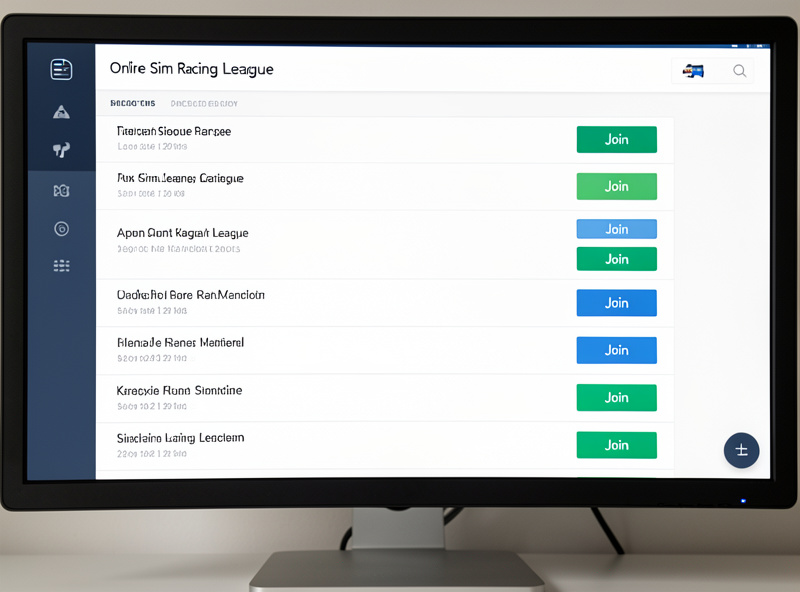
iRacing has a built-in league search. You can browse leagues by name, filter, and request to join directly. It’s fine for a first look, and some well-run leagues do recruit here. But the directory is noisy — plenty of dead leagues, plenty that haven’t run a session in a year. Treat it as a starting point, not the destination.
Route 2: communities and Discord (the real way)
The leagues worth your time live on Discord. Almost every active league runs its sign-ups, schedule, results, and incident reviews through a Discord server, and that’s where you’ll get a real read on whether it’s a good fit. Search for leagues in your region and time zone, in the car class you enjoy, at a skill level near yours. Join the Discord, read the rules channel, and lurk for a few days. You’ll learn more about a league from watching how it handles one protest than from any directory listing.
Pick the discipline first. A GT3 endurance league and a fixed-setup Mazda MX-5 rookie league are both “iRacing leagues” and have almost nothing in common. If you’re not sure what you enjoy, the leagues guide points to discipline breakdowns to help you choose a car class you’ll actually look forward to racing.
Choosing the right league (not the most famous one)
The single biggest beginner mistake is joining the biggest, most prestigious league you can find, getting destroyed by a grid of aliens, and quitting. Match the league to where you actually are. Here’s what I look at:
- Skill level. Look for a league with a published pace range or a rookie/casual division. You want to be mid-pack, not last by thirty seconds. Racing people near your pace is where you improve and where the fun is.
- Time zone and schedule. A league that races at 3am your time is not a league you’ll stay in. Check the race night and time honestly against your real calendar.
- Commitment level. Some leagues drop you from the championship after two missed rounds. If your life is unpredictable, find a casual league or a drop-in series instead. Be honest here — ghosting a committed league is how you get a bad reputation.
- Culture. Read the Discord. Is it supportive adults or a screaming pile-on after every incident? The culture is set by how the league treats mistakes, not by how fast its front-runners are.
The application and joining process
Once you’ve found a league that fits, joining is usually simple. Most run a sign-up form (often a pinned message or a bot command in Discord) asking for your iRacing name and customer ID, your safety rating, maybe your rough pace, and which division you’re aiming for. Some have a brief “read and acknowledge the rules” step. A few larger leagues run a one-race trial or ask you to do a clean practice session with the group first — that’s not a tryout for speed, it’s a check that you race clean.
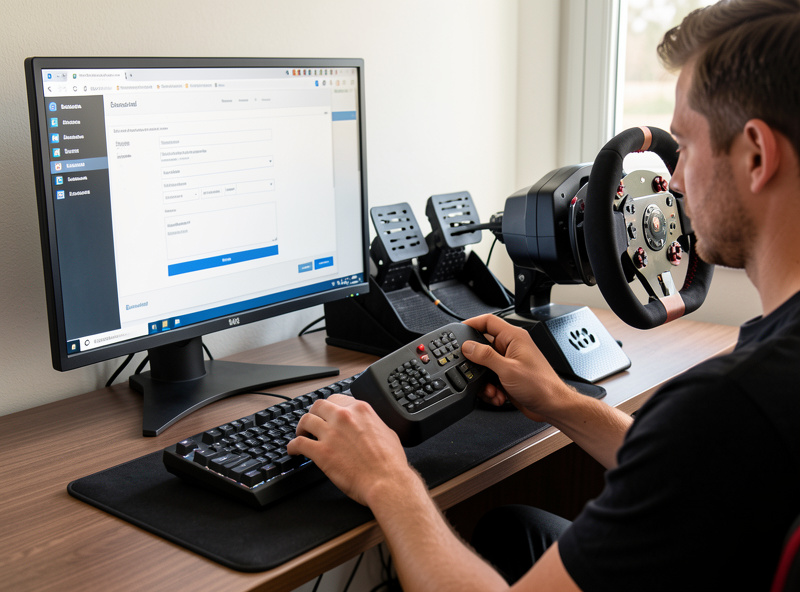
Then you’ll get added to the league inside iRacing (you accept the invite in the league tab) and to the relevant Discord channels. From there it’s the same rhythm every week: practice, register for the session, qualify, race, and check the results and any incident reviews afterward.
Your first few league races: don’t blow it
You’re in. Now don’t waste the goodwill. The fastest way to get quietly dropped from a league is to be the new guy who causes wrecks. The fastest way to become a valued regular is to be the new guy who’s slow but immaculately clean and apologises when he gets something wrong.
For your first races: bank a clean qualifying lap rather than sending it, survive turn one (the most dangerous moment of any race), and drive within yourself. Match the pace around you instead of chasing a hero lap, leave room in battles, and let faster cars by cleanly — you’ll get the place back when they overcook it. And when you make a mistake, own it immediately in the Discord. “Sorry, that was on me” buys you more long-term goodwill than a podium. Communities forgive mistakes; they don’t forgive arrogance or excuses.
Stick around. Show up consistently, race clean, be pleasant in the Discord, and within a few weeks you stop being “the new guy” and become “one of us.” That transition — from anonymous applicant to known regular — is the entire point. It’s also when the racing gets genuinely great, because now you’re racing people who know you and trust you to leave them room.
Frequently asked questions
Do I need a high iRating to join an iRacing league?
Usually no. Most leagues filter on safety rating, not iRating, because they care about clean racing far more than raw pace. Plenty of leagues have rookie or casual divisions specifically for slower drivers. A slow, clean driver is welcome almost everywhere.
Are iRacing leagues free?
The leagues themselves are typically free to join, they’re run by volunteer communities. You do need an active iRacing subscription and the relevant car and track content the league uses, which is the normal iRacing cost. A few leagues with prize support charge a small entry, but most don’t.
How do I find a league in my time zone?
Search community hubs and Discord by region and time zone, and check each league’s published race night and time before joining. A league that races while you’re asleep is one you won’t stick with. Time zone fit matters more than prestige.
What if I miss a league race?
It depends on the league. Committed championship leagues may drop you after a couple of no-shows, so read the attendance rules before signing up. Casual and drop-in leagues don’t care. If your schedule is unpredictable, pick a casual league, and never sign up for a committed one you can’t actually attend.
Can I race in more than one league at once?
Yes, and many people do: a GT3 league one night, an oval or formula league another. Just be honest with yourself about your real free time. Two committed championships plus official series is a lot of fixed evenings. It’s better to be a reliable regular in one league than a flaky member of three.