For ACC and iRacing, the best all-round direct-drive wheelbase is a mid-torque base in the 8–10 Nm range — a Moza R9, a Fanatec CSL DD with Boost, or a Simagic Alpha Mini. Both titles run on PC, both reward a clean force-feedback profile far more than raw torque, and a mid-torque base has the weight for ACC’s heavy GT3 cars while staying versatile enough for iRacing’s huge range of disciplines. Brand barely matters here; tuning does.
These are the two titles I run most, and they ask slightly different things of a base — ACC is almost all GT3 and GT4, while iRacing spans everything from Mazda MX-5s to Formula cars to stock cars. I’ve run my bases across both with a telemetry overlay open, building separate FFB profiles for each, and the headline finding is that the right base is the one you tune well, not the one with the biggest number. Here’s how to choose for these specific sims.
What ACC asks of a wheelbase
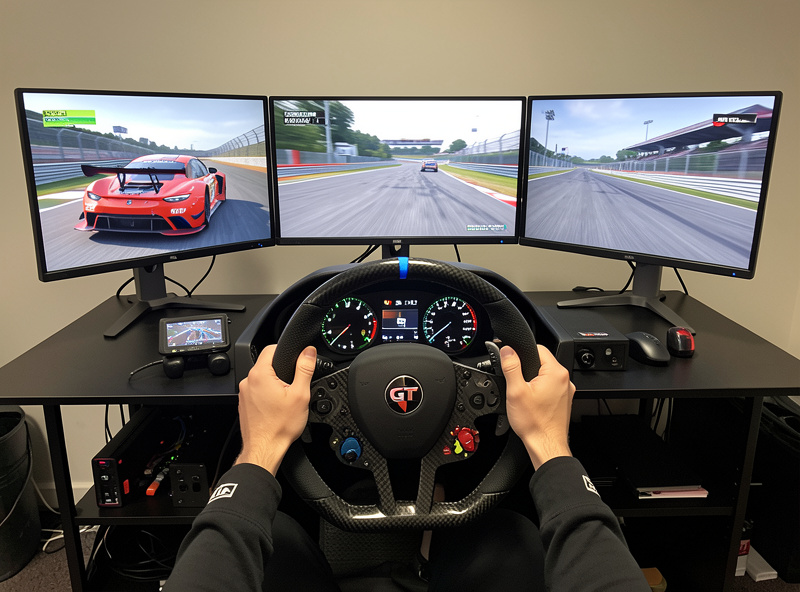
ACC (Assetto Corsa Competizione) is a GT3 and GT4 simulator, which means heavy cars with real steering weight under load. The force feedback is fairly processed compared to iRacing — it gives you a rich, slightly smoothed signal — and it rewards a base with enough torque to let the front end load up meaningfully under trail braking. That’s where mid-torque earns its keep: at 8–10 Nm you can feel the GT3 car’s weight transfer and the front tyres biting, which is the core skill in ACC.
You don’t need high torque for ACC, though. The cars are heavy in feel but a well-tuned mid-torque base conveys that weight comfortably without fatiguing your arms over a long stint or an endurance race. I run ACC with the gain set so the kerbs don’t clip on my overlay, letting the processed FFB do its work. A Moza R9, a Simagic Alpha Mini, or a boosted CSL DD all nail this — the differences between them in ACC are smaller than the difference a good profile makes.
What iRacing asks of a wheelbase
iRacing is the opposite end of the FFB spectrum: its force feedback is raw and direct, giving you a less-processed signal that demands you set it up properly — particularly the min force setting, which compensates for the deadzone around centre. iRacing also spans an enormous range of cars, from light open-wheelers where 5 Nm is plenty to heavy stock cars and prototypes where more weight helps. Because of that range, a mid-torque base is the versatile sweet spot: enough for the heavy stuff, comfortable for the light stuff.
The thing iRacing rewards above torque is a careful per-car approach to FFB. Because the signal is raw, a badly-set base clips easily or feels notchy around centre; a well-set one is sublime and communicative. I keep my iRacing FFB tuned conservatively on gain and use the in-sim auto settings as a starting point, then refine on the overlay. Any of the mid-torque bases shine here once tuned — iRacing’s rawness actually showcases a clean base beautifully, which is part of why it’s such a popular title for serious hardware.
One base for both: the mid-torque sweet spot
Since both titles run on PC and both are happiest with 8–10 Nm, you don’t need to compromise — a single mid-torque base covers both excellently. The Moza R9 is my most-recommended all-rounder for this exact pairing: 9 Nm, friendly Pit House software for building separate ACC and iRacing profiles, and great value. The Simagic Alpha Mini is the pick if you want the cleanest FFB texture and don’t mind steeper software. A boosted Fanatec CSL DD is ideal if you also want a console option later.
What you should not do is buy a 15 Nm base thinking it’ll make you faster in either title. It won’t — you’ll run it below its ceiling anyway, and the extra torque does nothing for the clean signal both sims reward. The money is better spent on a load-cell brake, which improves your consistency in both ACC’s heavy braking zones and iRacing’s varied disciplines far more than extra Nm ever could.
| Base | Torque | ACC fit | iRacing fit | Notes |
|---|---|---|---|---|
| Fanatec CSL DD (Boost) | 8 Nm | Strong | Strong | Console option, deep catalogue |
| Moza R9 | 9 Nm | Excellent | Excellent | Best all-round value, easy software |
| Simagic Alpha Mini | 10 Nm | Excellent | Excellent | Cleanest FFB, advanced software |
| Moza R12 / high-torque | 12 Nm+ | Good (overkill) | Good (overkill) | Headroom most won’t use |
Tuning matters more than the badge
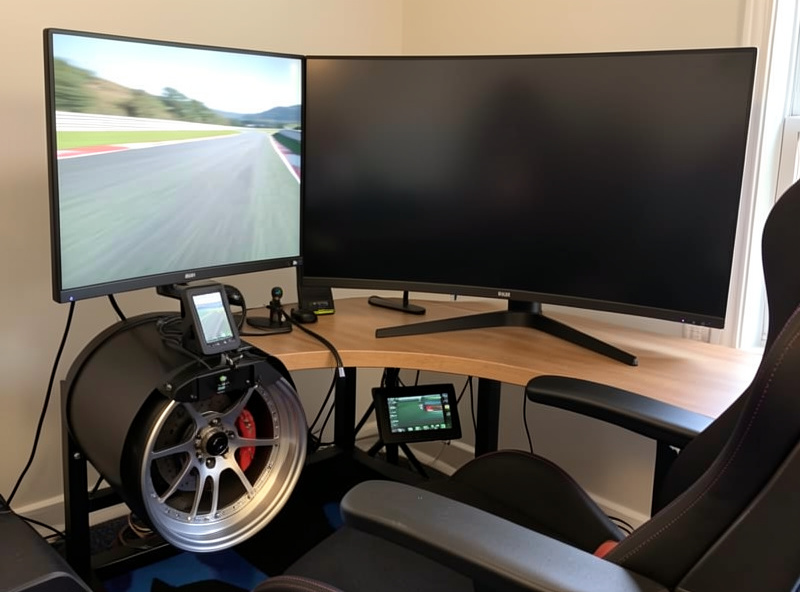
The single most important thing for both ACC and iRacing is that you build a separate FFB profile for each, because they handle force feedback so differently. iRacing’s raw signal needs min force dialled in and conservative gain; ACC’s processed signal needs the gain set so kerbs and curbs don’t clip. I keep both profiles saved and switch between them, and the improvement from getting these right dwarfs any difference between a Moza, Fanatec, or Simagic base of similar torque.
This is the part influencer reviews skip, because it’s work rather than an unboxing. But it’s where the experience actually lives. A mid-range base with two carefully built profiles will feel better in both sims than a flagship a buyer never tuned. If you take one thing from this guide, let it be that the base choice is the easy part — pick a mid-torque base you can afford alongside good pedals, and then spend your time in the tuning menus. That’s what makes either sim feel real.
My pick for ACC and iRacing
Get a Moza R9 for the best blend of value, torque, and easy tuning across both titles; step to a Simagic Alpha Mini if you want the cleanest signal and accept steeper software; choose a boosted Fanatec CSL DD if console flexibility matters. All three are excellent in ACC and iRacing. Run them at sensible torque, build a profile per title, put a load-cell brake underneath, and you’ll have a setup that punches well above its price in the two sims that matter most.
As an Amazon Associate I earn from qualifying purchases. Compare mid-torque direct-drive bases to find the right one for your ACC and iRacing setup.
Related Guides
- Best Direct-Drive Wheelbase Brands: Moza vs Fanatec vs Simagic
- How Much Wheelbase Torque Do You Actually Need in Nm?
- Fanatec vs Moza Ecosystem: Which Should You Buy Into?
- Sim Racing Force Feedback Tuning: The Complete Guide
- Best Sim Racing Pedals 2026: Load Cell, Hydraulic, and Budget
Frequently Asked Questions
What is the best direct-drive wheelbase for ACC and iRacing?
A mid-torque base in the 8 to 10 Nm range, such as a Moza R9, a boosted Fanatec CSL DD, or a Simagic Alpha Mini. Both titles run on PC and reward a clean force-feedback profile more than raw torque, so a versatile mid-torque base covers both excellently.
How much torque do I need for ACC?
Around 8 to 10 Nm is ideal. ACC is a GT3 and GT4 simulator with heavy cars, so you want enough torque to feel the front load up under trail braking, but not so much that long stints fatigue your arms. Mid-torque conveys the weight comfortably without high torque’s cost.
Does iRacing need a different base than ACC?
No. Both are happiest with a mid-torque base. iRacing’s force feedback is rawer and needs the min force setting dialled in, while ACC’s is more processed, but a single 8 to 10 Nm base handles both. What changes is your per-title FFB profile, not the hardware.
Is a high-torque base better for iRacing?
Not really. iRacing rewards a clean, well-tuned signal far more than maximum force, and its lighter cars do not need high torque at all. A mid-torque base run sensibly and tuned per car feels better than a high-torque base you leave below its ceiling anyway.
Should I tune ACC and iRacing differently?
Yes, definitely. Build a separate FFB profile for each. iRacing’s raw signal needs min force set and conservative gain; ACC’s processed signal needs gain set so kerbs do not clip. Getting both profiles right improves the feel more than any difference between similar bases.