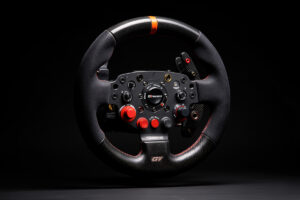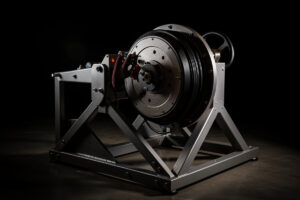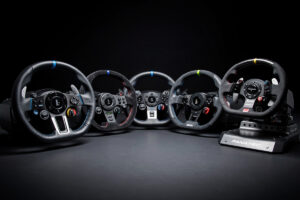
Most sim racers need 8 Nm of wheelbase torque, and 5 Nm is genuinely enough for formula and open-wheel cars. Above 12 Nm you’re buying headroom you’ll dial back down on day one, because maxed-out force is tiring rather than realistic. The honest rule: match the torque tier to the cars you drive and the rig you have, then spend the rest on pedals — they change lap time more than Nm ever will.
The torque number is the easiest spec to compare and the one people most consistently overbuy. I’ve run bases from 5 Nm to 15 Nm on the same welded rig with a telemetry overlay open, and the pattern never changes: past a point, more torque doesn’t add detail, it adds fatigue and clipping risk. Here’s how to figure out the tier you actually need instead of the tier the marketing wants you to buy.
What torque actually does (and doesn’t)
Wheelbase torque, measured in Newton-metres, sets the maximum force the base can push back through the wheel. More torque means the wheel can resist your hands harder — it simulates the heavier steering of a heavy car under load. What it does not do is improve force-feedback quality. Detail, resolution, and how cleanly the base reproduces tyre and kerb texture come from the motor, encoder, and tuning, not from the peak Nm figure.
This is the misunderstanding that costs people money. They read “15 Nm” and imagine 15 Nm of better feel, when really it’s 15 Nm of maximum wheel weight — most of which they’ll never run. A well-tuned 5 Nm base reproduces a kerb strike with more usable detail than a 15 Nm base cranked to max and clipping. Torque is the ceiling of force; quality is something else entirely, and you should evaluate them separately.
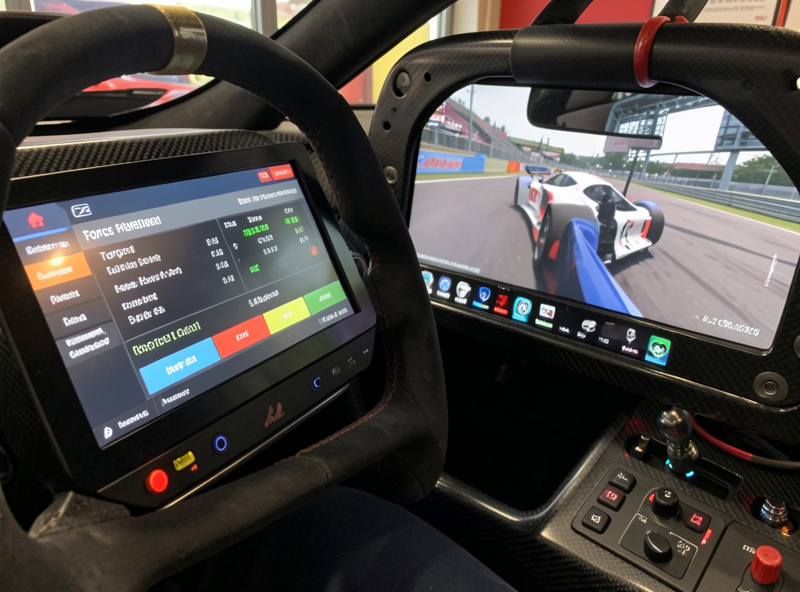
The torque tiers, and who each one suits
Think in tiers, not exact numbers. Entry direct drive (5–6 Nm) is plenty for formula, open-wheel, drift, and most road cars — it’s a massive step up from belt or gear wheels and many racers never need more. Mid-torque (8–10 Nm) is the all-round sweet spot: enough weight for heavy GT3 cars while staying comfortable for long stints, and it’s what I recommend to most people — the bracket bases like the Moza R9 and Fanatec CSL DD Boost live in. High-torque (12–15 Nm and up) is for heavy-car specialists who want the steering to physically fight them and have a rig rigid enough to anchor it.
The key insight is that the tiers overlap more than the numbers suggest, because almost nobody runs a base at 100%. I run my mid-torque bases somewhere around 60–70% of maximum in most cars, which means an 8 Nm base and a 12 Nm base produce similar actual force in my hands day to day. The bigger number just gives more headroom I rarely use. Buy the tier whose comfortable output matches your cars, not whose maximum looks impressive.
| Tier | Torque | Best cars | Rig needed | Who it’s for |
|---|---|---|---|---|
| Entry | 5–6 Nm | Formula, open-wheel, drift, road | Any solid mount | Beginners, open-wheel fans |
| Mid | 8–10 Nm | All-round, including GT3/GT4 | Stiff stand or profile rig | Most home racers |
| High | 12–15 Nm | Heavy GT3, prototypes | Rigid profile or welded frame | Heavy-car specialists |
| Pro/extreme | 18 Nm+ | Niche, max-realism setups | Very rigid, bolted-down rig | Few home users genuinely need it |
Why maxed-out torque feels wrong, not realistic
People assume more force equals more realism, but real race cars almost all have power steering, and a real driver is braced by a fixed seat and a harness in a way you aren’t at home. Running a base at full 15 Nm doesn’t replicate a race car — it replicates trying to wrestle a car with no power steering while sitting in a chair. It’s tiring, it shortens your stints, and it actually masks fine detail because your arms are too busy fighting the main force to feel the small stuff.
On my overlay, the practical danger of overdoing torque is clipping: push the gain high enough to feel that big force and the peaks flat-top, so kerbs and lock-ups stop adding detail. The fix is always to run less force than the base can produce and keep the signal clean. That’s why I tell people a 15 Nm base run sensibly feels much like a 10 Nm base — and the 10 Nm base cost less and tires you less. Realism comes from a clean, well-tuned signal, not a maxed-out one.
Your rig caps the torque you can use
Here’s the constraint people forget: a base can only deliver its torque cleanly if the rig can hold it. Bolt a 12 Nm base to a folding stand or a desk clamp and the force twists the frame instead of your hands — you feel mush and flex, not detail. The stiffer your cockpit, the more torque you can actually express. I built my frame from welded steel tube specifically so a high-torque base has something solid to push against.
So before you choose a torque tier, be honest about your rig. On a wheel stand, stay at entry or low-mid torque — anything more is wasted. On a stiff aluminium-profile or welded frame, you can use mid or high torque fully. If you’re tempted by a high-torque base but your rig flexes, the rigidity upgrade should come first; it’ll improve the feel of any base far more than extra Nm. The base should never be the strongest link in a weak chain.
Spend the difference on pedals
The money you save by not overbuying torque has an obvious home: a load-cell brake. Braking by pressure instead of travel is the single biggest consistency upgrade in sim racing, and it improves lap times more reliably than any amount of extra wheel force. The upgrade order — rig, pedals, wheelbase, rim — exists because that’s the sequence that actually makes you faster. A mid-torque base over a load-cell brake beats a high-torque base over cheap pedals every time.
So the answer to “how much torque do I need” is usually “less than you were about to buy, and put the difference into the brake.” Pick the tier that matches your cars and your rig, run it below its ceiling for a clean signal, and let the pedals do the heavy lifting on lap time. That’s the setup that’s genuinely fast, not just impressive on paper.
Bottom line
Buy 5–6 Nm if you race open-wheel and want to save money; 8–10 Nm if you want one base for everything, which is most people; 12–15 Nm only if you specialise in heavy cars and have a rigid rig to use it. Whatever you pick, run it below maximum, keep the signal clean, and spend the savings on a load-cell brake. Torque is the easiest spec to compare and the wrong one to chase.
As an Amazon Associate I earn from qualifying purchases. If you’re shopping by tier, you can compare direct-drive wheelbases across torque tiers to see where your budget lands.
Related Guides
- Best Direct-Drive Wheelbase Brands: Moza vs Fanatec vs Simagic
- Is a High-Torque Direct-Drive Base Worth It Over Mid-Torque?
- Moza R9 vs R12: Which Direct-Drive Base to Buy
- Sim Racing Force Feedback Tuning: The Complete Guide
- Best Sim Racing Pedals 2026: Load Cell, Hydraulic, and Budget
Frequently Asked Questions
How much wheelbase torque do I actually need?
Most racers are well served by 8 Nm, and 5 Nm is enough for formula and open-wheel cars. Only heavy GT3 and prototype specialists benefit from 12 to 15 Nm. Match the tier to your cars and rig, then run the base below its maximum for a clean signal.
Is more torque always better in a wheelbase?
No. More torque raises the maximum wheel force but does not improve force-feedback detail, which comes from the motor, encoder, and tuning. Beyond a point, extra torque just adds fatigue and clipping risk. A well-tuned mid-torque base often feels better than a maxed-out high-torque one.
Is 5 Nm enough for sim racing?
Yes, for many people. Five Nm is a huge step up from belt or gear wheels and is genuinely fine for formula, open-wheel, drift, and most road cars. You only need more for heavy GT3 machinery where you want the steering to load up hard mid-corner.
Why do racers run their bases below maximum torque?
Because full force is tiring and tends to clip the signal, masking fine detail. Real cars have power steering and real drivers are braced by a harness, so maxing out the base is not realistic. Running around 60 to 70 percent keeps the feedback clean and comfortable.
Does my rig affect how much torque I can use?
Yes, significantly. A high-torque base on a flexing stand twists the frame instead of your hands, feeling vague. The stiffer the rig, the more torque you can express cleanly. On a wheel stand, stay at entry or low-mid torque; high torque needs a rigid profile or welded frame.
Should I spend more on torque or pedals?
Pedals. A load-cell brake improves consistency and lap time more reliably than extra wheel torque. The upgrade order is rig, pedals, wheelbase, then rim. Buy a sensible torque tier and put the savings into a load-cell brake for the bigger real-world gain.