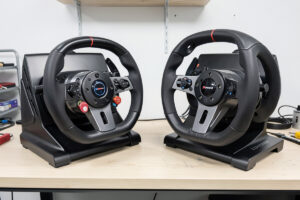
Between the Simagic Alpha Mini and the Alpha, the Alpha Mini is the right base for almost everyone. Its 10 Nm is already more torque than most home racers use, the FFB detail is the cleanest in its class, and the Alpha’s jump to 15 Nm is headroom you’ll cap rather than chase. Buy the Alpha only if you race heavy GT3 and prototypes on a seriously rigid rig and you genuinely want force you have to brace against.
I run Simagic when I want the cleanest force-feedback signal money sensibly buys, and I’ve had both of these bases on my welded rig with the same rims and load-cell pedals. The Alpha Mini at 10 Nm and the Alpha at 15 Nm share the same Simagic DNA — the same crisp, high-resolution character that holds detail under load — so this isn’t about which feels better. It’s about how much torque you can actually use, and the honest answer is “less than you think.”
10 Nm vs 15 Nm: the gap that mostly stays unused
Fifteen Nm is a lot of torque. On a heavy GT3 car with the wheel loaded under trail braking, the Alpha will physically fight you, and over a long stint that’s genuinely tiring rather than immersive. The Alpha Mini’s 10 Nm is already at the upper end of what I’d call comfortable for hours of racing. I run my mid-torque bases well below their ceiling precisely because maxed-out force isn’t more realistic — real race cars have power steering, and your arms aren’t braced by a racing seat and a five-point harness the way a real driver’s are.
So the practical question isn’t “is 15 Nm better than 10 Nm.” It’s “will you ever run more than 10 Nm.” For the vast majority of home setups the answer is no — you’ll set the Alpha somewhere around 60–70% and leave it. If that’s you, the Alpha Mini gives identical feel for less money, and the spare goes toward pedals or a rim. The Alpha’s ceiling is real, but a ceiling you don’t reach is money spent on a number.
The Simagic signal: why people buy these at all
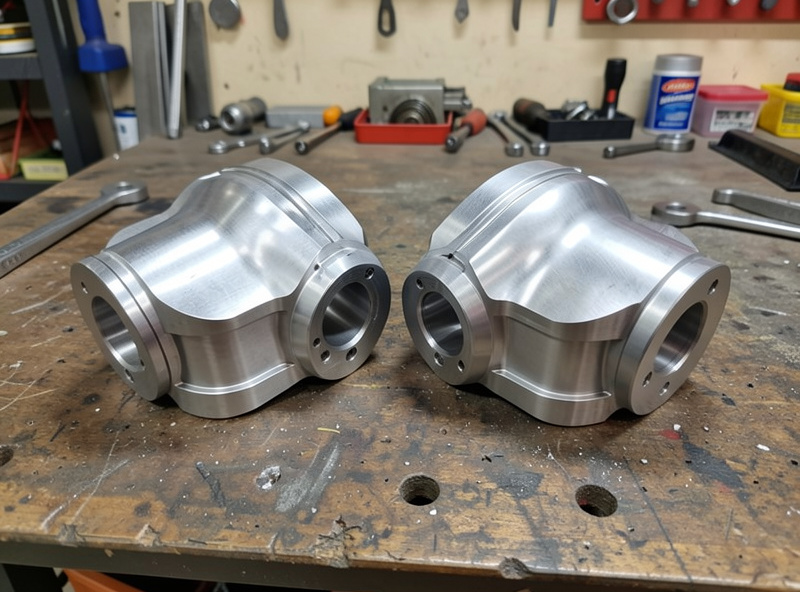
What makes Simagic worth considering over Moza or Fanatec isn’t torque — it’s FFB texture. On my telemetry overlay, both Alpha bases hold resolution at the top of the force range better than most rivals, which means the fine detail (tyre scrub, kerb texture, the moment the front lets go) stays legible even when the main force is high. That’s the thing experienced racers pay for: not a bigger number, but a cleaner one.
Both bases deliver that signal identically. The Alpha Mini is not a watered-down feel — it’s the same quality of force feedback, just with a lower ceiling. That’s an important distinction, because some brands cut FFB fidelity on their cheaper bases. Simagic doesn’t here; the Mini’s compromise is purely peak torque, not detail. If you’ve felt a Simagic and loved the texture, the Alpha Mini gives you that texture in full.
Software: SimPro Manager assumes you can read a trace
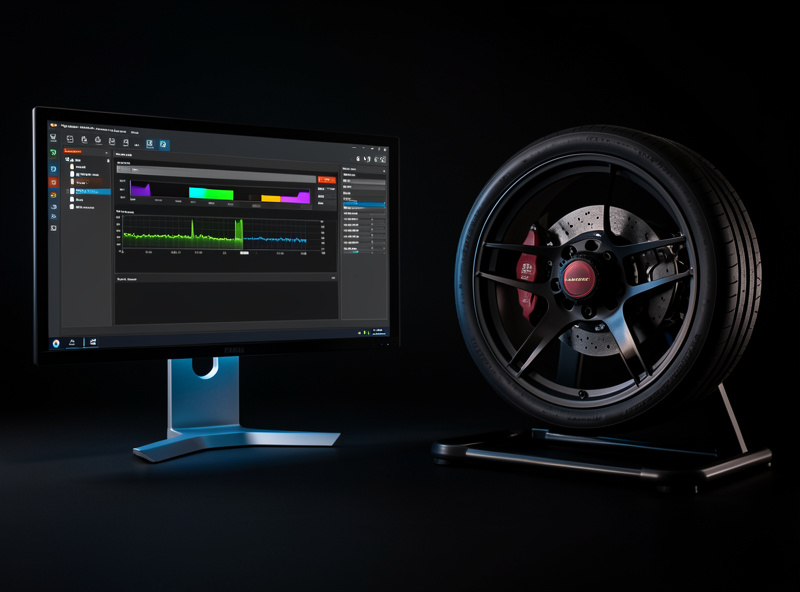
Simagic’s SimPro Manager is the least hand-holding tuning software of the major brands, and that cuts both ways. It exposes deep control over the force curve, filters, and per-title profiles, which is exactly what an experienced racer wants — but it assumes you already know what FFB clipping looks like and how to dial it out. A beginner can absolutely get there, but the learning curve is steeper than Moza’s Pit House.
This is the same on both the Alpha Mini and the Alpha, so it doesn’t separate them — but it does shape who Simagic suits. If you want a base that gets out of your way and lets you sculpt the force precisely, you’ll love it. If you want sensible defaults and a base that’s easy on day one, Moza is friendlier. My force-feedback tuning guide explains how to read clipping off an overlay, which is the skill SimPro assumes you have.
Rig demands scale with torque
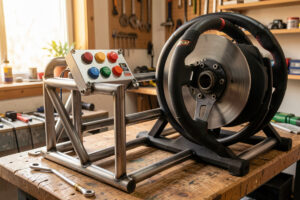
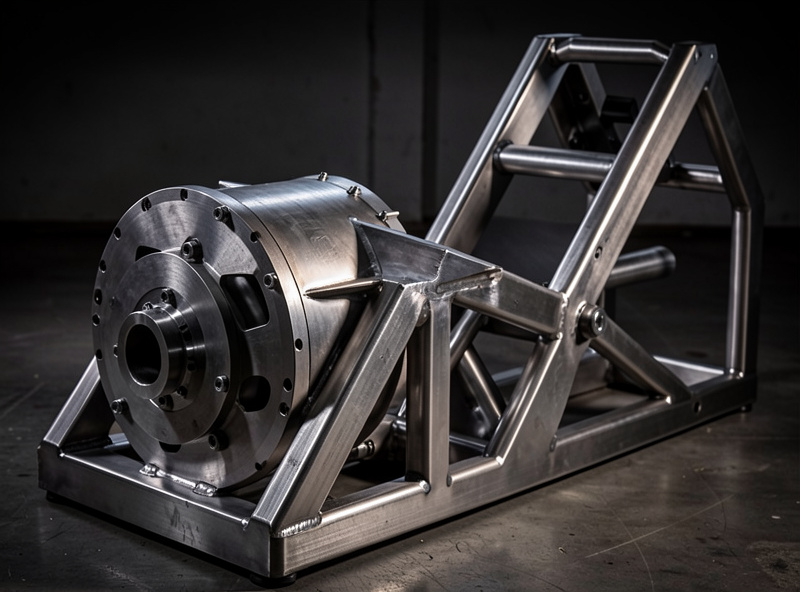
The Alpha’s 15 Nm needs a frame that can hold it, and I mean genuinely hold it. On my welded steel rig the Alpha has something solid to push against; on a flexing stand it would simply twist the frame and feel vague — wasting the very detail you bought Simagic for. The Alpha Mini’s 10 Nm is more forgiving, though still enough that I wouldn’t put either base on a desk clamp. If your rig isn’t rigid, the cleaner base in the world won’t feel clean.
This is why I tie the base choice to the rest of the build. A 15 Nm base only makes sense as part of a stiff, well-sorted cockpit with good pedals. If you’re still on a wobbly stand, the Alpha Mini is the cap of what your rig can express, and even then a rigidity upgrade should come first. The base is third in the upgrade order for a reason.
| Spec | Alpha Mini | Alpha |
|---|---|---|
| Peak torque | 10 Nm | 15 Nm |
| FFB detail | Class-leading, same as Alpha | Class-leading |
| Best cars | All-round, GT4, formula, most GT3 | Heavy GT3, prototypes |
| Rig demand | Needs a stiff rig | Needs a very rigid rig |
| Software | SimPro Manager (advanced) | SimPro Manager (advanced) |
| Who it’s for | Most enthusiasts | Heavy-car specialists |
Who should buy which
The Alpha Mini is the enthusiast’s default: full Simagic FFB quality, 10 Nm that covers virtually every car you’ll race, and a lower price that frees budget for the rest of the rig. I’d put it up against any mid-torque base on the market for feel. The Alpha is the specialist’s pick — buy it if you race heavy machinery, want the steering to load up hard, have a rig stiff enough to anchor 15 Nm, and value the extra tuning headroom enough to pay for force you’ll mostly cap. Both are superb; the Mini is the one most people should own.
As an Amazon Associate I earn from qualifying purchases. You can check current pricing on Simagic direct-drive bases to see where each sits today.
Related Guides
- Best Direct-Drive Wheelbase Brands: Moza vs Fanatec vs Simagic
- How Much Wheelbase Torque Do You Actually Need in Nm?
- Is a High-Torque Direct-Drive Base Worth It Over Mid-Torque?
- Sim Racing Force Feedback Tuning: The Complete Guide
- Best Sim Racing Pedals 2026: Load Cell, Hydraulic, and Budget
Frequently Asked Questions
Is the Simagic Alpha Mini or Alpha better?
For most home racers the Alpha Mini is better value. Its 10 Nm covers nearly every car with the same class-leading FFB detail as the Alpha. The 15 Nm Alpha only makes sense for heavy GT3 and prototype specialists on a very rigid rig who want maximum steering weight.
Does the Alpha Mini have worse force feedback than the Alpha?
No. Simagic does not cut FFB fidelity on the Mini. Both bases share the same crisp, high-resolution force-feedback character; the only difference is peak torque, 10 Nm versus 15 Nm. The Mini gives you the full Simagic signal at a lower ceiling.
Is 10 Nm enough torque for sim racing?
Yes, for almost everyone. Ten Nm is at the upper end of comfortable force for long stints, and most racers run their bases well below maximum anyway. You would only want more for heavy GT3 cars where you specifically like the wheel fighting you mid-corner.
Is Simagic harder to set up than Moza or Fanatec?
Somewhat. SimPro Manager exposes deep force-curve control but assumes you can recognise FFB clipping, so the learning curve is steeper than Moza’s Pit House. Experienced racers love the control; beginners may prefer a friendlier base for their first direct-drive setup.
What rig do I need for the Simagic Alpha?
A genuinely rigid one. The Alpha’s 15 Nm will twist a flexing stand instead of your hands, wasting the detail you paid for. A stiff aluminium-profile or welded frame is needed to anchor it. The Alpha Mini is more forgiving but still wants a solid rig.