A stint is one driver’s continuous run between pit stops, and a driver swap is the in-sim handover where that driver passes the car to the next — and in iRacing and ACC it is a real, scored mechanic, not a menu shortcut. A clean swap is a rehearsed routine that costs only the time it takes to service the car; a fumbled one stalls the car, draws a pit penalty, or sends out a driver who isn’t ready. The handovers are where shared-car races are quietly won and lost.
I treat the swap as a drill, the same way I treat any repeatable input on the rig — practiced until it’s boring, so it holds up when I’m tired at hour four. This guide covers stints and swaps end to end: the mechanic, the routine, the ways it goes wrong, and how to plan stint lengths. It sits under the wider endurance and team sim racing guide.
What a Stint Actually Is
A stint is the chunk of the race a single driver runs between pit stops, and its length is dictated by fuel and tires, not by how long a driver feels like sitting. You plan the race as a sequence of stints sized to the fuel tank and tire life, then drop drivers into those stints. A typical GT3 endurance stint runs roughly an hour on a tank, though that varies hugely by car, track, and fuel-saving.
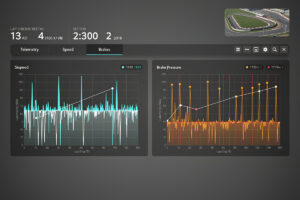
Stint length is therefore a planning number you derive from data, not a guess. Once you know your fuel-per-lap and how many laps a tank gives, the stint length falls out of arithmetic. That fuel math is the heart of pit strategy, and reading it off your own car means reading telemetry rather than trusting a generic number. The longer your stints, the fewer swaps you make — which is why fuel-saving can reshape the entire race.
The Swap as an In-Sim Mechanic
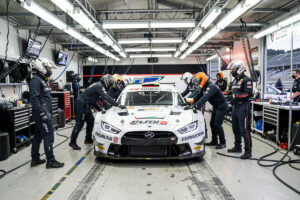
In iRacing and ACC the driver swap happens with the car stationary in the pit box, during the service window, with control passing to the incoming driver through the team interface. It is not a magic teleport — the car has to be stopped, in the right place, and the handover has to be triggered correctly. The sim treats it as part of the pit stop, so a slow or bungled swap costs real time on the clock just like a slow fuel fill.
The incoming driver has to be ready before the car arrives: focused, hands on the wheel, and clear on the out-lap plan. The outgoing driver brings the car in under the pit speed limit, stops accurately in the box, and completes the handover. Getting this sequence smooth is the difference between a swap that costs only service time and one that costs an extra ten or twenty seconds. The team-side coordination around it — who calls the box, who’s warming up — is in the team strategy guide.
The Handover Routine
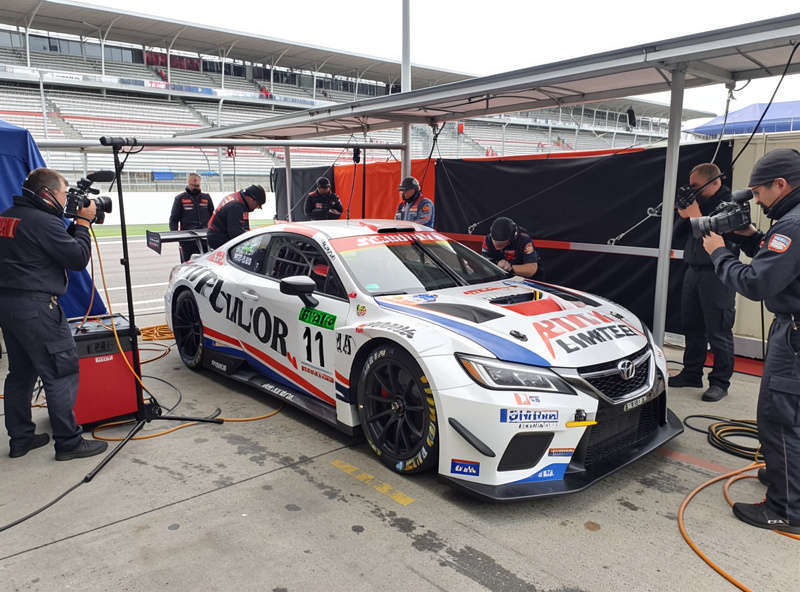
A reliable swap is a fixed routine both drivers know cold: box call, pit-limiter on, stop on the marks, service confirmed, control handed over, out-lap brief, limiter off, go. Writing it down and rehearsing it removes the panic that causes mistakes. The first time a team does a swap under race pressure without practice, something always goes wrong — a missed service selection, a stall, a speeding penalty leaving the box.
I rehearse swaps in practice sessions the same way I’d dial in a brake curve: repeat it until the sequence is automatic. The incoming driver should also warm up before getting in cold — a few minutes on a second rig or a mental rehearsal of the first corners — because a driver dropped into a hot car with cold reflexes is a driver who bins it on the out-lap. Consistency from the very first lap of a stint is exactly what a load-cell brake helps deliver, because braking to a force target is repeatable even when you’re not yet up to speed.
How Swaps Go Wrong
Most swap disasters come from a short list of repeatable mistakes, and knowing them is how you avoid them. The classic failures are a pit-lane speeding penalty leaving the box, a stall on the getaway, stopping in the wrong spot so service can’t complete, selecting the wrong service and leaving without enough fuel, and an incoming driver who wasn’t actually ready when control passed.
Every one of these is preventable with a checklist and a rehearsal. Pit speed discipline is the most common — the limiter is your friend, and trusting it instead of feathering the throttle avoids the penalty entirely. A stall is usually a clutch-and-throttle coordination issue under pressure, which again is a practice problem. The point is that none of these are bad luck; they’re unrehearsed routines failing under stress. Clean execution here is the same discipline as the clean racing etiquette that keeps the rest of the race tidy.
Planning Stints Around Drivers
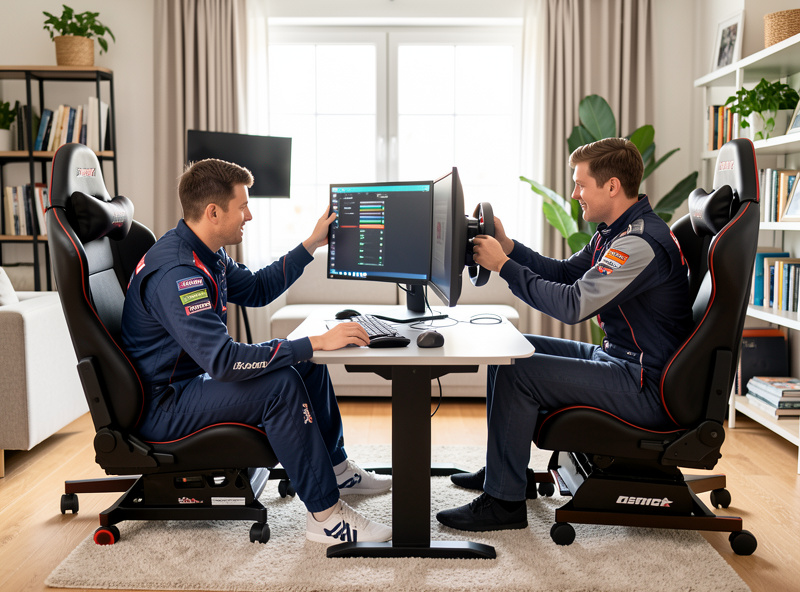
Once you know your stint length, you assign drivers to stints based on strengths and freshness rather than splitting the race evenly. The fastest-in-traffic driver takes the messy opening stint, the night-practiced driver takes the dark hours, and a tired driver gets a shorter stint or a recovery break before going back in. Endurance is a fatigue-management problem as much as a driving one.
Fatigue is real over a long race — concentration drifts, inputs get sloppy, and a driver who’s been in the car too long starts making the small mistakes that compound. A good rotation keeps everyone fresh enough to drive at their consistent pace, which over hours beats a hero stint from one exhausted driver. Matching drivers to stints is a core team decision covered alongside lineup-building in the team strategy guide, and the night-stint preparation is in the night driving tips.

Frequently Asked Questions
What is a stint in sim racing?
A stint is one driver’s continuous run between pit stops. Its length is set by fuel tank size and tire life rather than driver preference, so a race is planned as a sequence of stints sized to the fuel number, with drivers assigned to each one.
How does a driver swap work in iRacing and ACC?
The swap happens with the car stationary in the pit box during the service window, with control passing to the incoming driver through the team interface. It is a real scored mechanic, so a slow or fumbled swap costs time on the clock just like a slow fuel fill.
What is the most common driver swap mistake?
A pit-lane speeding penalty leaving the box is the most common, followed by stalling on the getaway and stopping in the wrong spot so service cannot complete. Nearly all swap mistakes come from unrehearsed routines failing under pressure rather than bad luck.
How long is a typical endurance stint?
A typical GT3 endurance stint runs roughly an hour on a tank of fuel, though it varies widely by car, track, and how much the driver saves fuel. The exact length is derived from fuel-per-lap data, not a fixed time, so it changes with consumption.
How do you prepare to get into a hot car?
Warm up before the swap with a few minutes on a second rig or a mental rehearsal of the opening corners. A driver dropped into a hot car with cold reflexes often crashes on the out-lap, so the incoming driver should be ready and focused before control passes.
How do you avoid mistakes during a swap?
Use a fixed, written routine that both drivers know cold and rehearse it in practice sessions. The sequence of box call, limiter on, stop on the marks, service confirmed, handover, out-lap brief, and limiter off should be automatic so it holds up under race pressure.
Further Reading
Keep building from here: the endurance and team sim racing hub ties the whole discipline together, the pit strategy guide covers the fuel math that sets your stint lengths, the team strategy guide handles the coordination around each swap, the iRacing endurance guide shows the team service in context, and the team racing basics guide is the gentler starting point.