Team sim racing is won by the crew that communicates clearly, agrees on a setup every driver can live with, and assigns the right driver to the right stint — not by the team with the single fastest lap. A team of solid, consistent drivers with a sharp strategist on the timing screen will beat a team of faster individuals who don’t talk to each other. Endurance is a relay, and the handoffs decide it.
I have run shared-car endurance off my rig and learned the same lesson every team learns: the driving is maybe half of it. The other half is the roles, the comms discipline, and the compromises nobody enjoys but everybody needs. This guide is the team layer that sits underneath the whole endurance and team sim racing guide — how to actually run a car with other humans.
The Roles a Team Car Needs
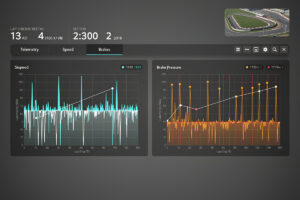
A well-run endurance team is more than a list of drivers — it needs a strategist watching fuel and timing, a clear comms lead, and ideally a spotter for the driver in the car. On small two-driver teams these roles collapse into the people not currently driving, but the functions still have to be covered. The car on track is the visible part; the work that wins races happens on the headset.
| Role | Responsibility | When It Matters Most |
|---|---|---|
| Driver | Drive consistently, report car state, save fuel on call | Every stint |
| Strategist | Fuel windows, pit timing, undercut calls | Pit phases |
| Spotter | Traffic warnings, gap calls, incident alerts | Multiclass traffic, restarts |
| Comms lead | Keep the channel calm and clear | Incidents and swaps |
The strategist is the role most amateur teams skip and most regret skipping. Someone has to own the fuel number and the pit call so the driver can focus on driving. The fuel and timing math that role lives on is in the pit strategy guide, and if you are new to the whole concept, the team racing basics guide is the gentler starting point.
Communication Discipline
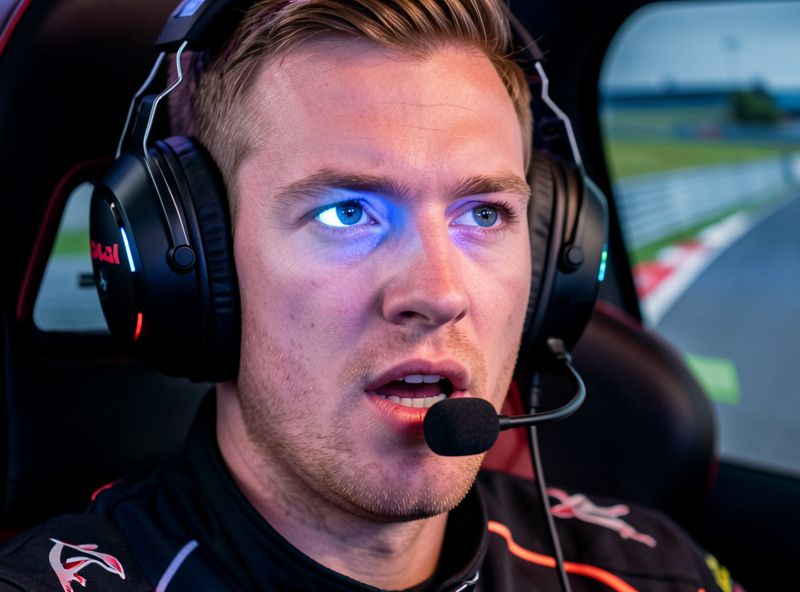
Good team comms is mostly about restraint — a calm, sparse channel where the driver gets exactly the information they need and nothing else. The most common team failure is a voice channel full of chatter when the driver is trying to thread a prototype through a corner. Agree before the race who talks, when, and about what, and keep the rest of the team muted during critical phases.
A practical convention: the driver reports car state and fuel feel on the straights, the strategist gives pit and fuel calls on a clear cadence, and the spotter only speaks for traffic and incidents. Everyone else is silent unless something is on fire. Most teams run this over a dedicated voice channel, and the same low-latency wired connection that keeps your race stable also keeps your comms clean — covered in the internet setup guide. On my own crew I mute everyone but the strategist and spotter the moment we hit the pit window, a habit I picked up running iRacing team events where one stray call over the box is enough to make me miss a fuel target. The etiquette that keeps the channel and the racing clean is in the clean racing etiquette guide.
The Shared Setup Compromise
A team car needs a setup every driver can drive, which almost always means a softer, more forgiving baseline than any single driver would choose alone. A knife-edge setup that one fast driver loves but that snaps the moment a tired teammate clips a curb is the wrong setup for a shared car. The right team setup trades a tenth of peak pace for a car nobody crashes.
This is where ego loses races. The fastest driver in the team often wants the sharpest car, but if the other three can’t hold it, the team’s average lap — the thing that actually decides the race over hours — gets worse, not better. Build the setup around the driver who needs the most support, not the one who needs the least. The setup fundamentals are in the complete car setup guide, and the long-run philosophy of margin over peak is in the endurance hub.
Building the Driver Lineup
Assigning stints is a strategy decision, not a fairness exercise. You match drivers to stints based on who is fastest in traffic, who handles the night, who is freshest at a given hour, and who is most consistent under pressure. The opening stint usually goes to a driver who is strong off a busy start; the night stints go to whoever has actually practiced in the dark.
Driver consistency across the lineup matters more than any single driver’s ceiling. A team where every driver laps within a few tenths of each other is far easier to strategize for than one with a fast driver and a slow one, because the strategist can plan around a predictable pace. Improving the slowest driver’s consistency is often the highest-value work a team can do between races — the coaching and improvement guide and reading telemetry are how that happens. The driver-swap mechanics that join the stints together are in the driver swaps and stints guide.
Practice, Rehearsal, and Race Day
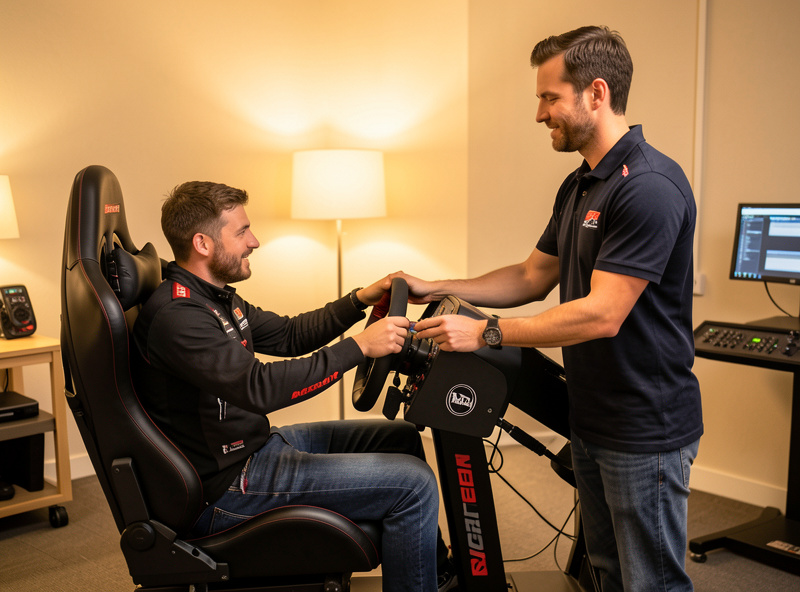
The difference between a team that finishes and a team that falls apart is rehearsal — practicing the swaps, agreeing the comms plan, and running at least one full-length practice stint before the event. A team that has never rehearsed a pit stop together will fumble the first one under pressure, and in endurance the first mistake often cascades into the next.
On race day, the team’s job is to be boring. Hit the fuel windows, make clean swaps, keep the channel calm, and let the cars that are over-driving make the mistakes. Most endurance races are lost, not won — the team that simply doesn’t crash, doesn’t run dry, and doesn’t fumble a stop climbs the order as flashier teams fall out. Finding teams to race with in the first place is covered in the best sim racing leagues guide and the how to join an iRacing league walkthrough.
Recovering From Incidents
Every long race has a moment go wrong, and the teams that recover are the ones who stay calm and adapt the strategy instead of panicking. A spin, a damaged car, or a botched stop is not the end — it is a new set of facts the strategist re-plans around. The worst thing a team can do after an incident is let the channel fill with blame; the best is to immediately reassess fuel, position, and whether the damaged car needs a repair stop.
How you handle a damaged car or a penalty is its own skill: sometimes you stay out and nurse it, sometimes you box for repairs and accept the lost lap. That decision is a pit-strategy call under pressure, and the framework for making it lives in the pit strategy guide. Knowing the incident review system also helps a team understand what counts against them when traffic gets messy.
Frequently Asked Questions
What roles does a sim racing endurance team need?
A team needs drivers, a strategist who owns fuel windows and pit calls, ideally a spotter for traffic and incidents, and a comms lead to keep the channel calm. On small teams these roles collapse into whoever is not currently driving, but the functions still have to be covered.
How should a team set up its car for shared driving?
Build the setup around the driver who needs the most support, not the fastest one. A team car needs a softer, more forgiving baseline that every driver can hold for a full stint, even tired, trading a little peak pace for a car nobody crashes over hours of racing.
What is the most common team racing mistake?
Cluttered comms is the most common failure, where the voice channel fills with chatter while the driver is trying to thread traffic. Agree before the race who talks, when, and about what, and keep everyone else muted during critical phases like swaps and incidents.
How do you decide who drives which stint?
Match drivers to stints by strengths, not fairness. Put a strong starter on the opening stint, assign night stints to whoever has practiced in the dark, and give later stints to whoever is freshest and most consistent at that hour of the race.
How does a team recover from a mistake mid-race?
Stay calm and re-plan rather than assign blame. Immediately reassess fuel, position, and whether a damaged car needs a repair stop. Most endurance races are lost rather than won, so a composed recovery often climbs the order as flashier teams fall out.